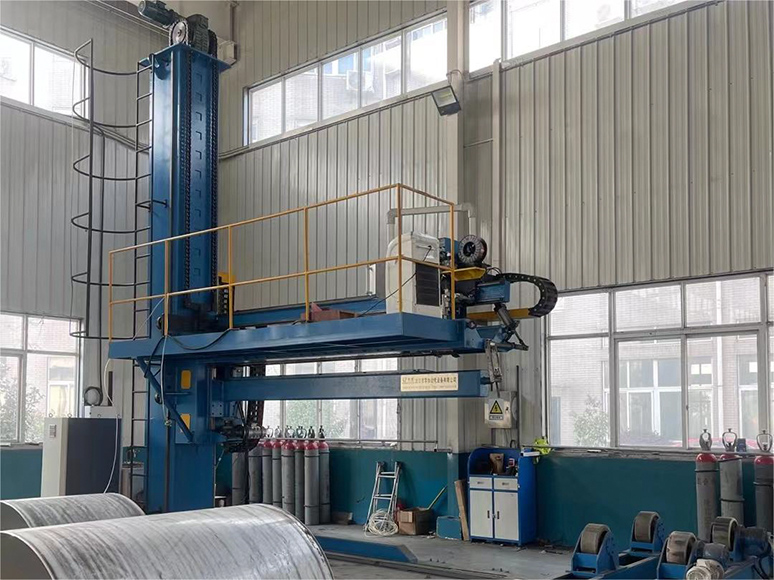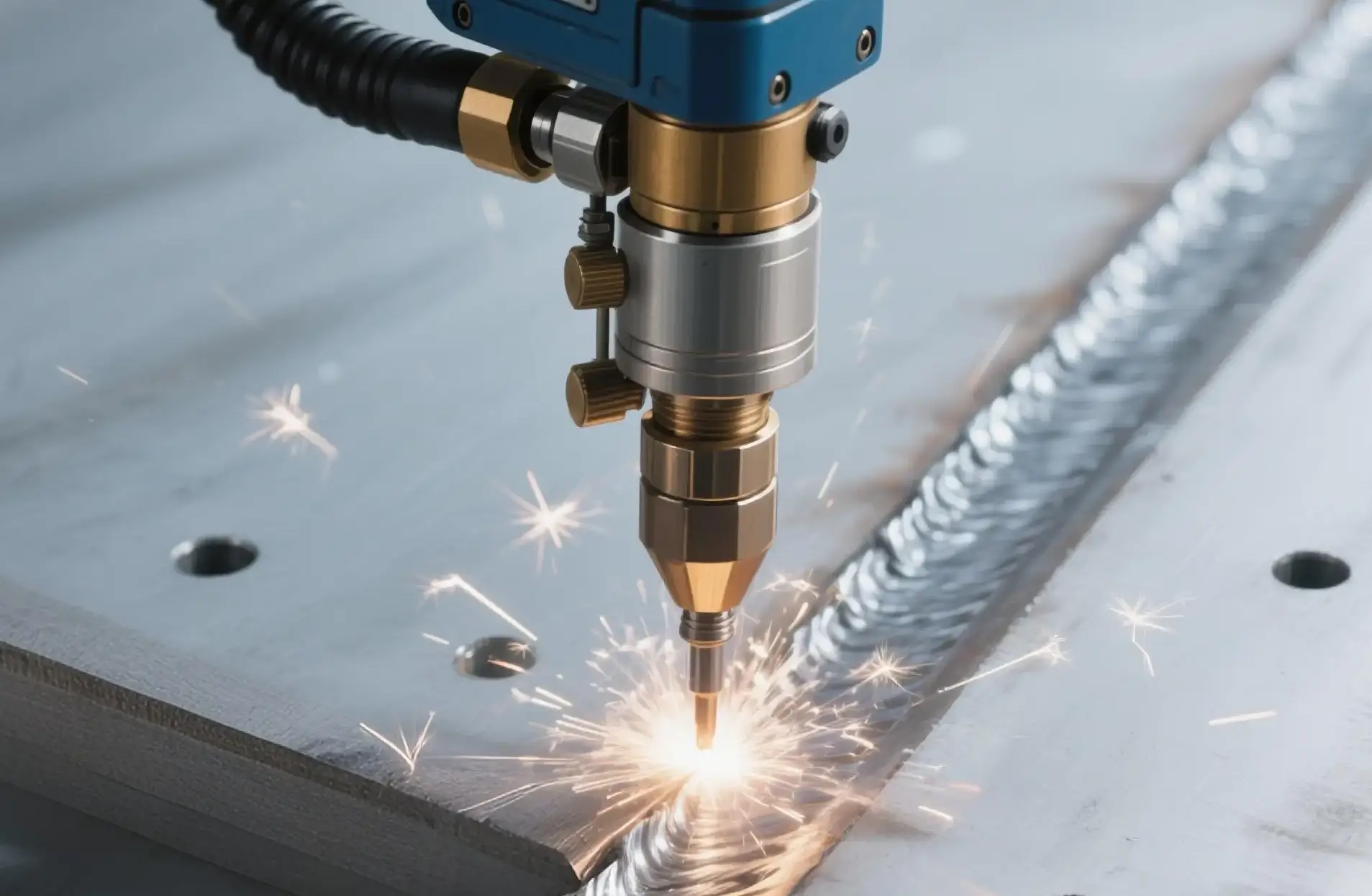
Plasma welding is an advanced welding process that produces high-quality welds. It generates a concentrated plasma arc with extremely high temperatures and precisely controls the weld pool, making it ideal for industries such as aviation, automotive, pressure vessels, and marine. However, a deeper understanding of plasma welding, such as weld stability and equipment operating guidelines, is essential to fully utilize your plasma welder's capabilities.
This welding process relies on the characteristics of the welding pool generated by the plasma arc. The plasma arc is a high-temperature ionized gas produced by the ion gas being ionized. It passes through the special compression structure of the welding gun and out of the small hole in the center of the water-cooled nozzle to form a stable plasma compression arc, which melts the workpiece to obtain a larger penetration depth.
You need to understand these dynamic characteristics because they are important for improving the quality and strength of your welds.
In addition to the concentrated heat source characteristic of the plasma welding process, the weld pool itself is also important in achieving high-quality welds.
You need to know that the area of the weld pool is affected by the intensity of the plasma arc, and that the molten metal has a certain viscosity and surface tension, as these are important for optimizing weld quality.
In addition, the stability of the weld pool is also important, as fluctuations can cause defects such as porosity or lack of fusion. Knowing this can help you adjust your welding parameters to ensure you get stable and consistent weld results when welding different materials and thicknesses.
In plasma welding, the stability of the weld pool is generally affected by several key factors:
Next, I'll help you understand the interplay between these factors, as it's crucial to achieving high-quality welds.
In plasma welding, you need to maintain the stability of the molten pool, and the size of the molten pool can be easily affected, so you need to learn to adjust the arc intensity and welding speed to control the size of the molten pool and ensure even heat distribution.
It is also important to control the temperature of the molten pool. Cooling too quickly will cause welding defects, while overheating will lead to excessive penetration.
You need to learn to balance these factors to keep the molten pool stable, because it directly affects the quality and appearance of the final weld. Conversely, as long as you master these, you can weld a perfect weld.
The stability of the plasma welding pool is often affected by its physical properties, such as temperature, viscosity and surface tension.
Lower temperatures generally reduce viscosity, resulting in slower weld formation, while conversely, excessively high temperatures can cause spatter or excessive penetration.
Surface tension acts as a balancing force to stabilize the shape of the weld pool.
Understanding these characteristics can help you control parameters more effectively, stabilize the weld pool, and achieve high-quality welds.
Before starting welding, effective preparation can help you greatly improve welding stability, such as the cleanliness of the weld and the treatment of the groove, which will have a great impact on the quality of the weld.
You need to meticulously remove contaminants such as oil, rust, or moisture from the weld seam, which can disrupt arc stability and cause defects such as porosity.
You also need to do a good job of beveling the weld to help improve assembly accuracy, ensure even heat distribution in the molten pool, and minimize deformation.
You should know that welding speed is very important for plasma welding because it directly affects the stability of the weld pool.
If the speed is too fast, insufficient heat may result in poor weld fusion; if the speed is too slow, excessive heat may cause weld deformation or burn-through.
Our welding equipment can adjust the welding speed in real time to ensure the stability of the molten pool, which not only improves the welding quality but also increases production efficiency.
If you want to use the plasma welding process, you must evaluate several factors to ensure excellent weld results.
Note that the use of plasma gas and the sewing machine effect will greatly affect the weld quality.
However, the use of automated equipment and drawing on past welding experience can improve the efficiency and quality of metal fabrication.
I think that although there are many plasma welding technologies on the market today, welding with pulsed plasma gas is the trend of the future.
This approach provides enhanced control over heat input, enables precise penetration into the weld base metal, and allows operators to dynamically adjust parameters to target different materials and thicknesses.
In addition, pulsed plasma reduces deformation and lowers the risk of burn-through.
I believe that mastering the "sewing machine effect" is very important as it helps in achieving high quality welds as it ensures that the heat is evenly distributed while welding.
The "sewing machine effect" refers to the continuous and controlled movement of the welding arc, similar to the steady stitching action of a sewing machine.
If you master the "sewing machine effect," you can easily handle welding various complex workpieces. In addition, the sewing machine effect helps maintain a stable arc length and reduces the probability of weld defects.
The "sewing machine effect" in plasma welding has laid the foundation for the automation of the manufacturing industry. As the industry develops, the advantages of automated welding equipment begin to emerge:
Together, these capabilities represent significant advancements in manufacturing, paving the way for a more efficient and automated future for the welding industry.
I think everyone using the plasma welding process should be aware of these issues so you can avoid them and prevent them from affecting the quality of your weld.
Common questions include:
Plasma welding is a highly conductive welding process that uses a focused plasma arc to produce precise and efficient welds.
The difference between this technology and traditional welding methods is that it can generate a concentrated heat source, improve welding efficiency, and reduce thermal deformation of the workpiece. Moreover, it can better control the arc and easily cope with welding of various materials and thicknesses.
The application range of this process is very wide, and it is suitable for many industries such as pressure vessels, aviation, shipbuilding, military industry, chemical industry, energy, medical treatment, automobile, etc. , all of which require high-quality welding.
The focused arc in plasma welding is the key to improving welding accuracy . It can concentrate the energy beam and improve welding performance.
I will explain the application scope of focused arc from the following aspects:
......
The advantages of a focused arc include reduced thermal deformation , increased penetration depth, improved welding quality, and the ability to handle a variety of different metal materials.
These advantages make plasma welding technology indispensable in advanced welding scenarios.
You must know that shielding gas is a very important part in plasma welding, which will significantly affect the welding quality, arc stability and penetration depth.
Argon : Often used as the primary shielding gas due to its inertness , which enhances arc stability.
Hydrogen : Often mixed with argon, it can improve heat transfer and permeation issues in certain applications .
Nitrogen : Used in some processes to reduce oxidation and improve weld quality , particularly in stainless steel welding applications.
Helium : Used to increase heat input and is suitable for welding thicker materials or high-speed welding.
The choice of shielding gas can be selected according to the different welding materials:
welding materials | Protective gas |
Stainless steel | 95~97% argon + 3~5% hydrogen |
carbon steel | Pure argon or argon-hydrogen mixture |
Titanium | High-purity argon |
Zirconium | High-purity argon |
Although traditional plasma welding mostly uses high-frequency arcs , due to technological advances, arc transition can now be achieved without using high-frequency arcs, which improves arc stability . While maintaining welding quality, there is no need to worry about the problems caused by high-frequency arcs.
The main advantages of non-high frequency arc transfer include:
Improve equipment life : Due to the reduction of electrical stress, the wear of components is reduced.
Enhanced safety : Minimizes operator exposure to high voltage.
Operational flexibility : Greater adaptability under various welding conditions.
Cost-effectiveness : Reduce energy consumption and save costs.
All of these contribute to making the plasma welding process more streamlined and efficient, attracting many professionals in related industries.
Welding speed is key to achieving weld quality, as it directly affects weld bead profile, penetration, and strength. Many factors influence speed, including material thickness, weld shape, and welding process.
Influencing factors | Impact on travel speed |
Workpiece thickness | The thicker the workpiece, the slower the speed |
Weld shape | Complex welds require reduced travel speeds |
Welding process | The optimal travel speed for different welding processes is different |
If you understand these influencing factors, you can adjust the travel speed in a targeted manner and obtain good welding results while ensuring welding efficiency.
When choosing a plasma welding power source, be sure to consider its flexibility in various operating modes, which directly affects energy efficiency and welding performance.
Different modes target specific materials and thicknesses, improving welding precision and control.
Common patterns include:
Constant Current (CC) - Ensures arc stability in various applications.
Constant Voltage (CV) - Ideal for automated systems, it provides consistent output regardless of load variations.
Pulse Mode - Enhanced heat control for fine welds on thin materials.
Hybrid mode - combines CC and CV, optimizing performance for various welding tasks.
The welding gun is an important part of plasma welding and an important factor affecting welding efficiency and effect. It can accurately control the plasma arc and change according to different welding requirements .
You need to use the correct maintenance methods to achieve the best welding results. Remember to check and replace consumables regularly to extend the service life of your welding gun.
The back gas protection device plays a very important role in plasma welding . We will fill the device with protective gas to protect the weld from oxidation and ensure the welding quality.
Common gasket materials include ceramics, metals and composite materials, and the specific selection depends on the actual welding situation.
This equipment is suitable for a variety of welding materials, such as carbon steel, stainless steel, aluminum alloy, titanium alloy, etc. The characteristics of this process improve the welding quality and are suitable for industries with high requirements for welds.
Plasma welding is at least 3-5 times more efficient than TIG welding, which can significantly improve production efficiency while maintaining good weld quality, making it the welding process of choice in most industries.
In terms of welding safety, personal protective equipment such as gloves, helmets and protective clothing must be used. The welding site must be ventilated to avoid open flames, and operators must be aware of electrical hazards.
The prices of welding machines with different configurations vary greatly, affected by many factors such as welding requirements, workpiece size, site environment, etc. The price of a single unit may range from US$50,000 to US$200,000, depending on user requirements.
To ensure the best performance of your plasma welder, you must perform regular maintenance, including checking electrical connections, replacing consumables, checking gas, etc. Following maintenance instructions can significantly improve the durability of the equipment and thus achieve excellent welding results.